
Trucks and Fins is a huge present to the whole skate community - not just for the skating people, but also for shops, builders and schools. Super easy to use and can't believe how complete it is.
Pascal Lieleg aka Official Bowlshit
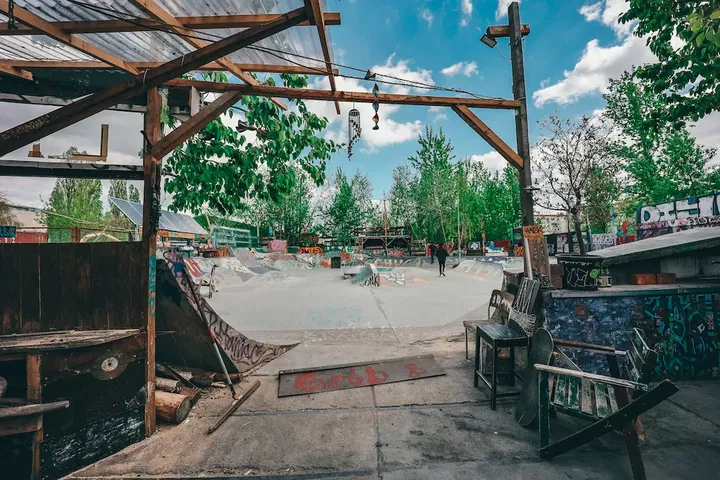
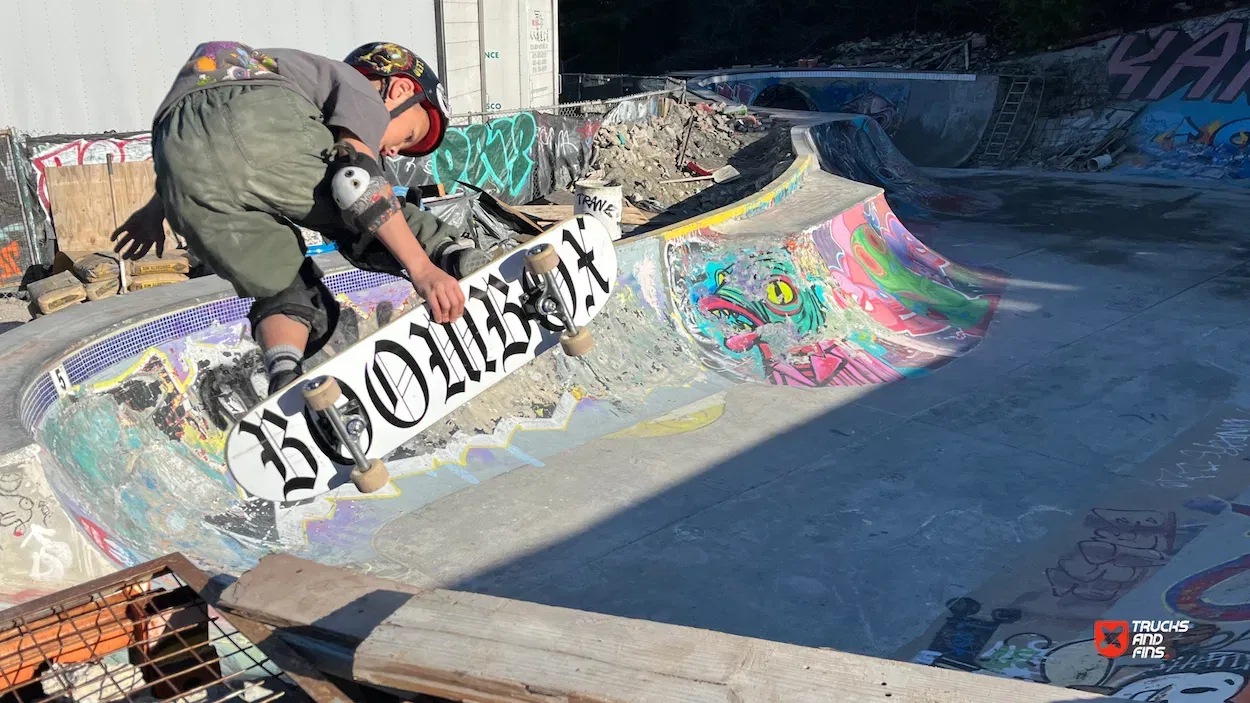
There’s something telling happening on TrucksandFins right now. When we look at the most viewed skateparks in 2025, the top spots aren’t going to the shiny multi-million-euro parks designed with perfect symmetry and polished press photos. Instead, the top searches are going to raw, hand-built, rough-around-the-edges DIY skateparks. Ramputene DIY sits in first place. Sneath Ditch is right behind it at second. Greifswalder DIY is seventeenth, and Outside DIY lands at twenty-third. These places weren’t built through city planning committees, architectural renderings, and contractor bidding rounds. They were made from late-night mixes of cement, scavenged materials, busted tools, and a crew of skaters who simply needed somewhere to skate or who wanted to make their own thing.
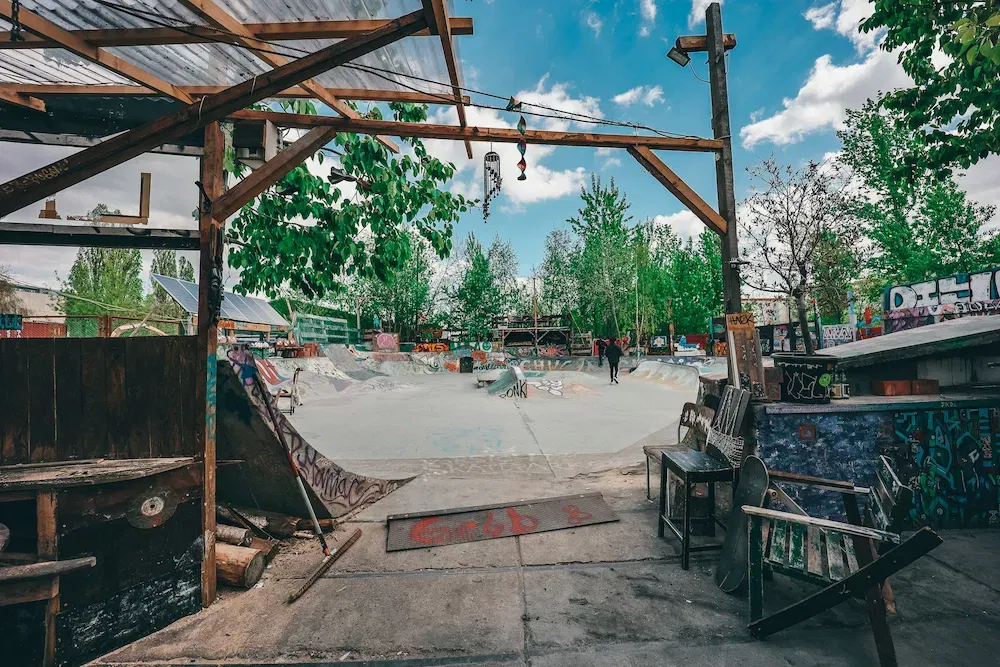
That’s the point. The spots people are seeking out the most aren’t the parks a city pays to have designed for its skaters. They’re the spots skaters create for themselves. DIY skateparks aren’t just infrastructure. They’re identity. They’re community. They’re proof that skateboarding culture is something living—not something that can be designed, delivered, opened, and forgotten.
Skateboarding has always been about making space where there is none. A stair set becomes a stage. A drainage ditch becomes a "bowl". A forgotten corner under a bridge becomes a world landmark. DIY spots come from necessity and passion. They begin as something temporary, even “illegal” in the eyes of the city. But over time, the city starts realizing what was built there is more meaningful than any project they commissioned. What began with a few friends and a bag of concrete becomes a gathering place. A training ground. A pilgrimage point for skaters from across the world. Think of Burnside. Think of FDR. Think about legendary spots that started with a shovel and a dream and ended up shaping the identity of entire scenes.
These DIY parks evolve. They grow and shift with the community that uses them. Each curb, quarter, extension, and pool coping tells a story of the people who built it. You don’t just skate a DIY spot—you take part in it. It’s never finished. It’s never perfect. It is alive. That’s something a perfectly designed municipal skatepark can never replicate. Most city parks are built to be “universal,” to appeal to everyone and offend no one. They follow rules. They avoid risk. They aim to be safe, predictable, and durable. But skateboarding has never been predictable. The places skaters love most are the ones that feel personal, built by hands like theirs, shaped by the creativity and stubbornness that skateboarding thrives on.
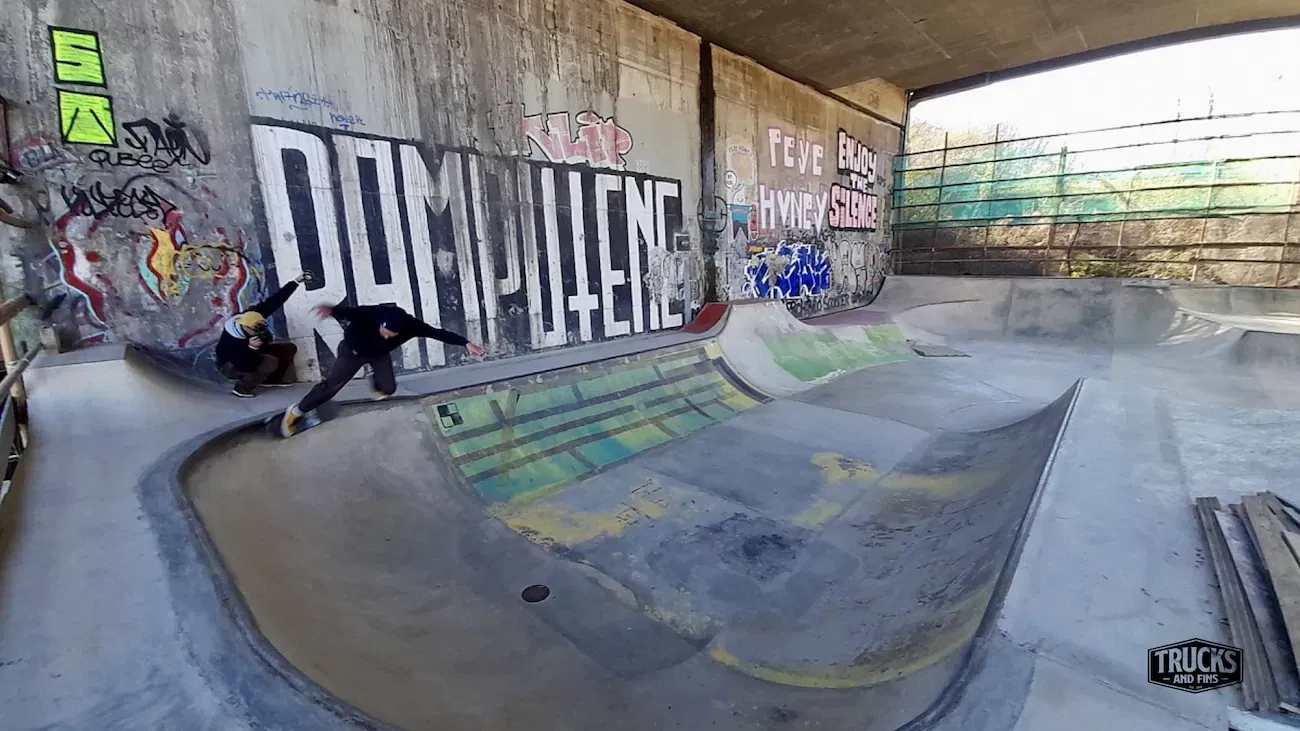
When DIY skateparks show up at the top of the most searched parks in the world, it sends a clear message. Skaters value authenticity, community, and culture over polished perfection. They don’t want a facility. They want a home.
This is where cities can learn something—and fast. If a city wants a skatepark that actually gets used and loved, the answer isn’t just paying a contractor to pour concrete. The answer is involving the community. Let skaters help shape the space. Let them propose ideas, build additions, experiment, and adapt the park over time. Provide land, materials, storage, maybe small grants—but most importantly, provide freedom. The best skateparks in the world weren’t built from a blueprint. They were built from the ground up by the people who skate them.
When cities embrace that, they don’t just get a skatepark. They get a scene. A place where young kids grow up learning from older skaters. A place where traveling skaters stop, spend, hang out, return, and bring others. A place with identity. A place with life.
The success and global attention of DIY spots show us something simple and powerful: skateboarding thrives where skaters have control. It always has. If cities truly want to support skateboarding—not just tick a box—they need to recognize that. The concrete, the traffic on this site, and decades of skate history all point in the same direction.
The heart of skateboarding has always been DIY. And right now, more people than ever are looking for it.
Join the Trucks and Fins community and receive exclusive news, giveaways, access to subscribers-only
-contests, discounts from our partners and much more directly from us!

Trucks and Fins is a huge present to the whole skate community - not just for the skating people, but also for shops, builders and schools. Super easy to use and can't believe how complete it is.
Pascal Lieleg aka Official Bowlshit

Trucks and Fins is a great resource for checking on local spots if you are traveling or planning a road trip! A one stop resource that is constantly updated with the newest projects as well as those bucket list locations worldwide. The intuitive UI features gps coordinates as well as useful information about shops nearby.
Architect Betonlandschaften

Trucks and Fins provide a great service. Its quick and easy to use and has such a vast amount of parks included, not just in the UK but worldwide. CANVAS Spaces support the cause and fully back what they are doing.

Our skate community has been crying out for a comprehensive guide to global skate spots. Trucks and Fins should be commended on their dedication to mapping the world's STOKE!
Maverick Skateparks

Trucks and Fins brings all of the world's skateparks to you all in one convenient place through their endless search for parks around the world. They have park locations, details, images, and more to help plan your next skate quest wherever that may take you. We appreciate their dedication and passion for skateboarding and the amazing gifts that skateparks and skate spots are.
Steve Zanco, Skatepark Respect
A big part of skateboarding is about finding Animal Chin - your spirit animal, or in other words: whatever gets you stoked. Could be the right people to roll with, or that special dream terrain. Trucks and Fins has all the best skate destinations in one place; a map of stoke in your hands.
Jan Kliewer, Yamato Living Ramps
